Why All Businesses Should Upgrade to a PBX System
As traditional phone systems are becoming obsolete, it is becoming crucial for your business to adapt to modern solutions to stay competitive. A Private Branch Exchange (PBX) system is one such…
Sheila Tanui ·

As traditional phone systems are becoming obsolete, it is becoming crucial for your business to adapt to modern solutions to stay competitive. A Private Branch Exchange (PBX) system is one such solution. Regardless of the size of your business, upgrading offers many advantages that can streamline operations, enhance communications, and improve your customer experience. Wondering what a PBX is, we’re happy to explain.
What is a PBX System?
A PBX system is a private telephone network used within an organization that allows employees to communicate internally and externally using voice-over IP (VoIP) or traditional phone lines. Unlike conventional phone systems, a PBX system provides advanced functionalities such as call routing, voicemail, conferencing, and many other benefits that reduce cost and increase efficiency in the long run. Here’s why you should upgrade.
Cost reduction: Every organization aims to cut down costs, and a PBX system will do just that. Traditional phone systems can be expensive because of high call rates and maintenance costs. On the other hand, PBX systems, especially cloud-based VoIP PBX, reduce operational costs significantly, ensuring that your business can make internal calls for free and enjoy lower rates for long-distance and international calls.
Scalability: As your business grows, your communication also needs to evolve. PBX systems can meet you where you are, as they can easily scale up or down depending on your requirements. Whether you need to integrate remote employees or add more phone lines, a PBX system will adapt without significant infrastructure changes.
Remote work capabilities: Over and above the advanced call-handling features such as call forwarding, voicemail-to-email, and call conferencing, PBX phone systems improve remote work capability. With the rise of remote and hybrid work models, your business needs to adapt to communication tools that support employee operation from anywhere using their mobile phones, laptops, or VoIP-enabled devices to ensure seamless communication regardless of location.
Reliability and Business Continuity
Many are the benefits of a PBX system: It is reliable as it cannot be affected by physical damages or network issues. It improves your customer’s experience by minimising wait times by efficiently routing calls and providing seamless workflow, as it can be integrated with CRM software, email platforms, and other business tools. However, choosing the right one for your business can be difficult without the right guide. So, here are some factors to consider. Think about your:
- Business Size and Needs: Choose a system that matches your current size and future growth.
- On-Premise vs. Cloud-Based PBX: Cloud-based PBX offers more flexibility and lower upfront costs, while on-premise systems provide greater control.
- Integration Capabilities: Ensure the PBX system can integrate with your business’ existing tools and software.
- Security Features: Look for encrypted communication and security protocols to protect your business data.
- Customer Support and Maintenance: Opt for a provider that offers reliable customer support and regular system updates.
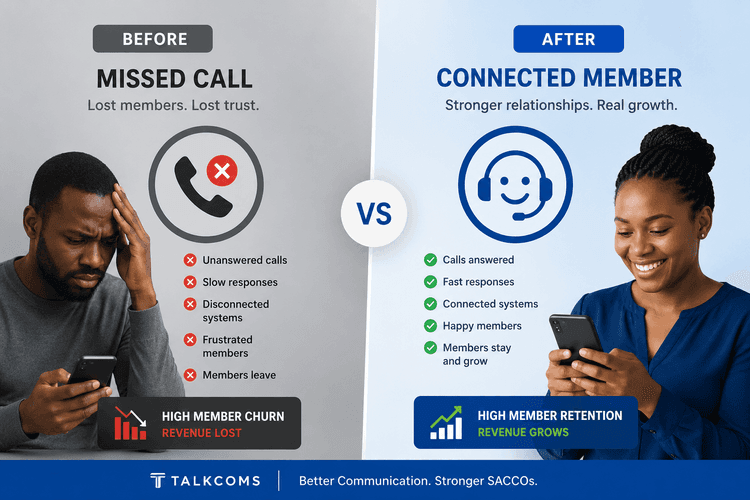
Upgrading to a PBX system is a strategic move that enhances business communication, reduces costs, and improves overall efficiency. With advanced features, scalability, and the ability to support remote work, PBX systems are an essential investment for any business looking to stay ahead in today’s digital age. Don’t let outdated phone systems hold you back—make the switch to a PBX system and experience the benefits of modern business communication.
Are you ready to upgrade your business communication system? Contact Talkcoms Limited to take your communication to the next level or click here to learn more about our Business Phone System (PBX) solution.